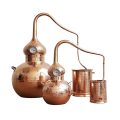
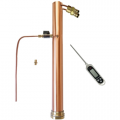
Distilled Alcohol is combustible (even explosive) and you have flames near it. So don’t underestimate the need for Safety and precautions. Here is the blue flame test video to help you understand how flammable this stuff is.
Moonshine Flame Test (Busted?)

- Choose a Safe Location: Set up your distillation equipment in a well-ventilated area away from flammable materials and sources of ignition. Avoid confined spaces or areas with poor ventilation, as this can increase the risk of fire or explosion.
- Use Quality Equipment: Invest in high-quality distillation equipment that is designed for safe and efficient operation. Ensure that all components, such as stills, condensers, and heating elements, are in good working condition and free from defects or damage. Make sure there is no leakage of vapours and the fire/sparks don’t reach the alcohol or its fumes.
- Follow Instructions: Read and follow the manufacturer’s instructions and guidelines for assembling, operating, and maintaining your distillation equipment. Pay attention to recommended operating temperatures, pressure limits, and safety precautions to prevent accidents or equipment failure.
- Monitor Temperature: Keep a close eye on the temperature of the distillation process using a thermometer or temperature gauge. Avoid overheating the still, as this can lead to boiling over or the release of flammable vapors. Use temperature control devices or water baths to regulate heat if necessary. Methanol poisoning can cause blindness/death.
- Ventilation: Ensure adequate ventilation in the distillation area to prevent the buildup of flammable vapors and gases. Use exhaust fans or open windows and doors to allow fresh air to circulate and remove any potentially hazardous fumes.
- Avoid Open Flames: Do not use open flames, such as candles, matches, or lighters, near the distillation equipment or storage areas. Instead, use spark-proof electrical devices for lighting and heating, and avoid smoking or using other sources of ignition in the distillation area.
- Keep Extinguishers Handy: Have fire extinguishers readily available in the distillation area and know how to use them properly. Choose extinguishers suitable for Class B (flammable liquid) fires and ensure they are regularly inspected, maintained, and within reach in case of emergency.
- Protective Gear: Wear appropriate protective gear, such as heat-resistant gloves, safety goggles, and aprons, when handling hot equipment or flammable materials. This will help prevent burns, spills, and other injuries during the distillation process.
- Stay Sober: Never operate distillation equipment while under the influence of alcohol or drugs. Maintain a clear mind and focus on the task at hand to ensure safe and responsible distillation practices. Remember the reaction time and attention decreases drastically after even on single drink. Stay Sober Stay Safe!
Low yield in Distillation
It is because of two reasons:
- Low/Weak Alcohol Content:
- Make sure your distillate has at least 10-15% Alcohol. Higher the alcohol you begin with, stronger will be your vapor and more potent your distillate will be.
- Are you distilling too much: Although it is important to collect the tails, but longer you boil the weaker the alcohol becomes. Typically I stop once the condensate has <20% alcohol content.
- Too Low quantity
- Review your Heads, hearts and Tail breakup
- Ensure that alcohol vapors are collected back and not wasted/leaked
- check the chilled water temperature. In Indian summers sometimes the tap water is too hot for an effective condensation.
Safety Rules Of Distilling : How To Stay Safe : New Distillers 101

If you properly maintain your Equipment against malfunctions, use quality brewing ingredients and maintain temperature then your distillation will be safe and easy.